
Imagine you are listening to your favorite dance song. The music starts soft and gentle. Then it gets bigger and more exciting. Your heart beats faster because something amazing is coming. Suddenly — boom! — the big, powerful part hits, and you want to jump and dance! That exciting moment is called the drop. Producers who make music think carefully about when to add this drop because the right timing makes the song feel super fun and perfect.
This topic is so cool because drops are like surprises in a story. They make people happy and full of energy. If the drop comes at the wrong time, the song might feel boring or too fast. But when producers choose the perfect moment, everyone cheers and feels great. Now let’s talk about how producers decide the best time for a drop. We will go step by step in a simple way so you can understand it easily and maybe even try it yourself one day.
What Is a Drop in Music?
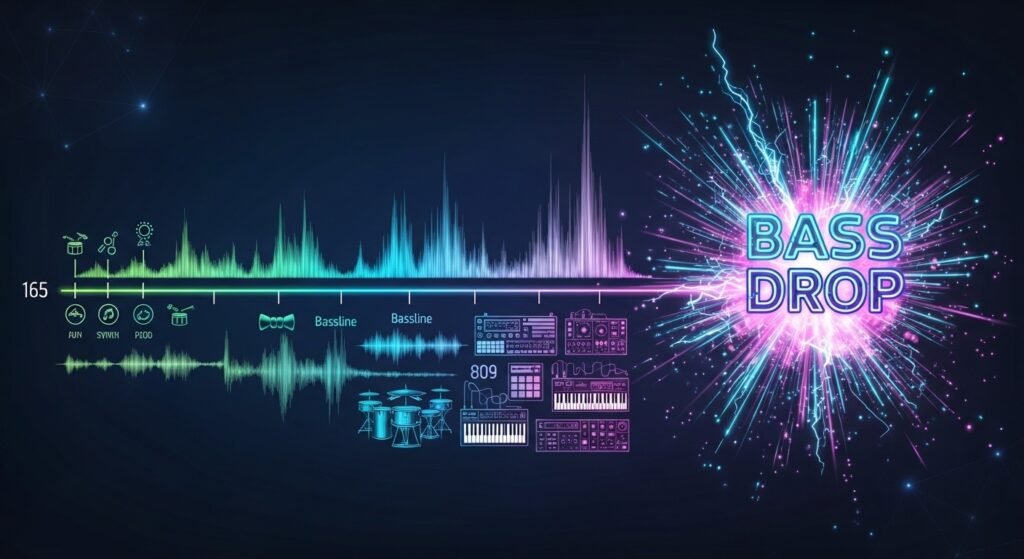
First, let’s make sure we know what a drop really is. A drop happens when the music changes from quiet or building parts to a loud, strong, happy explosion of sound. In many dance songs, especially electronic dance music (called EDM for short), the drop brings in big beats, fun melodies, and lots of energy all at once. It’s like when you blow up a balloon slowly and then let it go — whoosh! The air rushes out fast and makes you laugh.
For example, think about a song you love to dance to. The beginning might have just a simple beat and some pretty sounds. Then more things join in, like rising noises or faster drums. After that, everything stops for a tiny second, and the drop comes crashing in with powerful bass and cool synths. That feeling is why drops are so special. Producers use drops to keep listeners excited and wanting more.
Why Timing Matters So Much for a Drop
Now let’s talk about why the timing of a drop is super important. Timing means when exactly the drop starts in the song. If you add the drop too soon, people don’t feel ready for it, and it doesn’t feel as exciting. It’s like opening a birthday present before the party even starts — not as fun! If you wait too long, people might get bored and stop listening.
That’s why producers build tension first. Tension is like pulling a rubber band slowly. The more you pull, the more everyone waits for it to snap back. When the drop finally comes, it feels like a big, happy snap that makes everyone smile. Over time, good producers learn that the best drops come right after the music has made listeners feel “I can’t wait anymore!” This perfect timing turns a regular song into something amazing that people want to play again and again.
How a Song Usually Builds Up to the First Drop
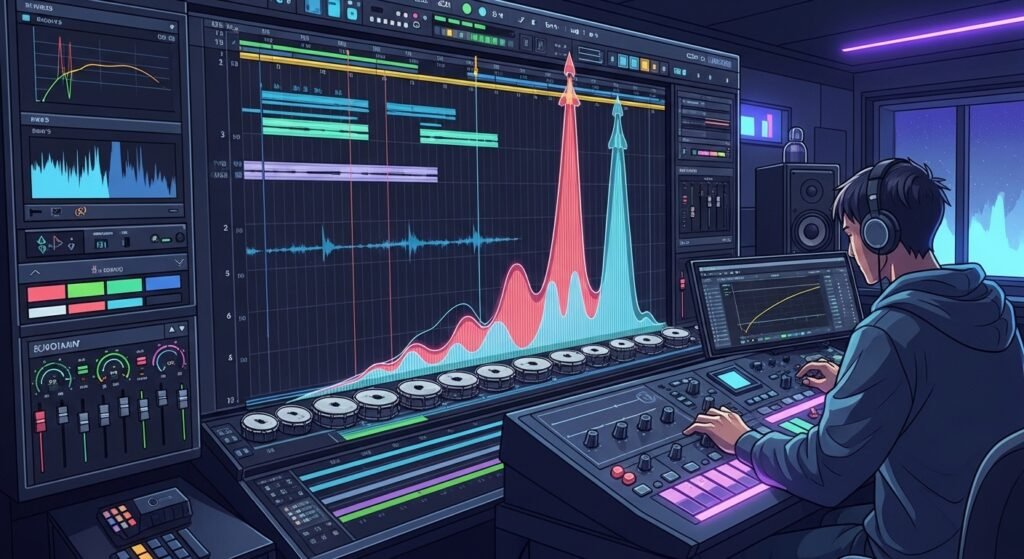
Most songs follow a nice path before the first drop. They start with an intro. The intro is like saying hello to the song. It might have soft drums, a gentle melody, or just a simple beat so people can get comfortable.
After the intro, the song adds more parts. This is called the build-up. In the build-up, things get louder and more interesting. For example, producers add rising sounds that go up and up like a rocket getting ready to launch. They might use snare rolls, which are fast drum hits that speed up. Another thing is filter sweeps, where sounds get brighter and bigger. Sometimes vocal words repeat faster and faster too.
All these things work together because they make tension grow slowly. Listeners start to feel excited in their tummy. They think, “Something big is coming!” The build-up usually lasts a certain number of bars. A bar is like a small group of beats — often 4 beats in one bar. Many songs use 16 bars or 32 bars for the build-up. This gives enough time to make people curious without making them wait forever.
The Perfect Time for the First Drop
So when should you add the first drop? Many producers put the first drop around 45 seconds to 1 minute into the song. This timing feels just right for most dance tracks. Why? Because in the first minute, the song has time to say hello with the intro, show some fun ideas, and build excitement. After that short wait, the drop hits, and it feels super satisfying.
For example, in many popular EDM songs, the intro lasts about 15 to 30 seconds. Then the build-up takes another 30 to 45 seconds with rising sounds and faster rhythms. Right around the 1-minute mark, the drop explodes! This timing keeps listeners hooked because it’s not too quick and not too slow. In house music, which is a happy kind of dance music, the drop often comes a bit earlier, around 45 to 60 seconds. In dubstep, which has heavy bass, it might wait a little longer, like 50 to 70 seconds, so the surprise feels even bigger.
Another way to think about it is in bars. Producers often wait until after 16, 32, or even 64 bars of music before the first drop. This means the song has time to introduce the main melody or cool sounds. When the drop arrives, those same sounds come back stronger and louder. Listeners feel happy because they recognize the tune but now it sounds huge!
What Happens After the First Drop?
After the first drop, the song doesn’t stop being exciting. Usually, the drop plays for a while — maybe 16 or 32 bars — so people can enjoy dancing to it. Then the music calms down again. This calm part is called the breakdown. In the breakdown, many sounds go away, and the song becomes soft and dreamy. It’s like taking a little rest after running fast.
Next comes another build-up. This second build-up is often even bigger than the first one because now people know how fun the drop is. Producers add extra surprises, like new sounds or louder risers. The tension grows again, and everyone waits for the next drop.
The second drop usually feels even more powerful. That’s why producers save some special ideas for it. For example, they might make the bass stronger or add fun vocal chops. This second drop often comes after another 30 to 60 seconds of build-up. Over time, this pattern of drop, breakdown, build-up, bigger drop makes the whole song feel like an adventure with ups and downs.
How Producers Know If the Timing Feels Right
Producers don’t just guess when to add a drop. They listen carefully to their song many times. They ask themselves simple questions. Does the music feel like it’s asking for a big moment? Is the energy ready to explode? If the answer is yes, that’s the perfect time.
One fun way to check is to play the song for friends or imagine a crowd dancing. If people start moving more right before the drop and cheer when it hits, the timing is good! Another thing is to leave a tiny silence — just half a second or one beat — right before the drop. This short quiet moment makes the drop feel huge when it comes back. It’s like a surprise hug from a friend.
Producers also think about the kind of song they are making. In fast, happy songs, drops come sooner to keep the energy high. In slower, deeper songs, they wait longer to build more feeling. That’s why there is no one perfect rule for every song. The best timing comes from listening with your heart and ears.
Little Stories from Real Songs
Let’s think about some real examples in a fun way. In one very famous song, the music starts quiet with a cool melody. Then drums join in slowly. A voice says some words that repeat faster and faster. Everything rises like a wave getting taller. Then — silence for a moment — and the drop hits with a giant bass sound! People go wild because they waited just the right amount of time.
In another song, the producer waits a bit longer. The build-up has sparkly sounds going up and up. Drums roll super fast. Just when you think you can’t wait anymore, the drop explodes with bright lights in your ears. That wait makes the drop feel extra special, like winning a game after trying hard.
These little stories show that perfect timing makes drops unforgettable. Producers practice a lot to get it right, and each time they learn something new.
Tips for Making Your Own Drops Feel Perfect
If you ever want to try making music, here are some easy tips about when to add a drop. Start with a simple beat and a nice melody. Add parts slowly to build excitement. Use rising sounds and faster drums in your build-up. Count your bars — maybe try 32 bars before the first drop. Listen again and again. Move your body while you play it. If you feel like jumping at the drop, you did it right!
Also, remember to make the drop different from the build-up. Take away some sounds before the drop so the full sound feels new and strong. Add fun surprises like a big whoosh or a vocal shout. Over time, your ears will get better at finding the perfect moment.
Wrapping It All Up with a Happy Thought
So now you know when producers add a drop in a track. They wait for the right moment after a good build-up, often around 45 seconds to 1 minute for the first one, or after 16 to 32 bars. They use tension, rising sounds, and little silences to make the drop feel amazing. After that, they add more drops with breakdowns in between to keep the fun going.
The most important thing is that the drop should make listeners feel happy and excited. Perfect timing turns a song into a little adventure that everyone loves. Next time you hear a great dance track, listen for the build-up and smile when the drop hits. You’ll know the producer chose the perfect time because your heart will dance along. Keep listening to music with open ears, and maybe one day you’ll make your own songs with drops that make everyone cheer. Music is so much fun when it feels just right!
Explore More
- How to TheSoundsTour: Step by Step Guide to Explore Elena’s Music World
- The Interworldradio Blog: Why Everyone Is Suddenly Talking About It
About the Author

John Giddings is an expert in app reviews and guides, helping parents and families understand and use digital tools easily. He writes clear, step-by-step articles on apps like ParentPay, showing how to make payments, stay organized, and get the most out of technology. John’s goal is to make complicated apps simple and safe for everyone to use.