
In today’s fast-changing world, many teams feel lost in busy days. People work hard, but things still get messy. Tasks pile up, and everyone wonders what to do next. That is why a clear way to manage work matters so much. The management guide ewmagwork offers a simple framework that helps leaders and teams organize daily work better. It brings people, processes, and tools together so work flows smoothly. After that, teams feel less stress and achieve more. This guide explains everything in easy steps, with real examples from everyday workplaces. You will learn how to use this framework in your own setting, even if you manage a small shop or a big office team.
What Is the Management Guide Ewmagwork?
The management guide ewmagwork is a practical framework for modern workplaces. It helps managers plan work, run teams, and improve results over time. Think of it like a helpful map for your daily job. Instead of guessing who does what, everyone follows clear steps that connect goals to real actions.
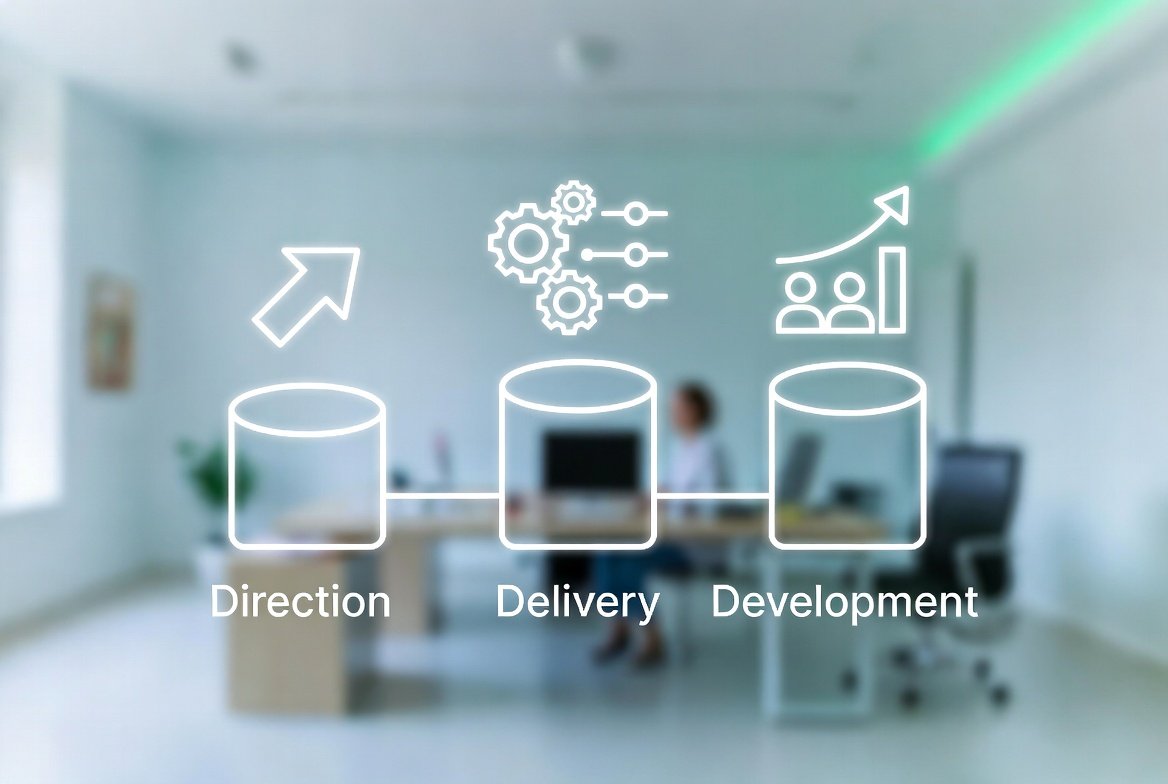
For example, imagine a small bakery where orders get mixed up every morning. With this framework, the owner sets simple priorities first. Next, tasks get assigned clearly. Over time, the team learns to check progress together. This means fewer mistakes and happier customers. The guide works for any size team because it focuses on three main parts: direction, delivery, and development. Direction shows where the team is going. Delivery turns plans into daily work. Development helps everyone grow stronger. Because these parts link together, work becomes more predictable and calm.
Many workplaces in 2026 face new challenges like remote teams and fast technology changes. The management guide ewmagwork fits right in because it stays flexible. You do not need fancy equipment to start. You only need the willingness to organize things step by step. That is why so many leaders now turn to this approach for better results.
Why Modern Workplaces Need This Framework
Work today moves quickly, and old ways often fail. Teams juggle emails, meetings, and sudden changes all at once. Without a good system, good people still feel tired and confused. The management guide ewmagwork solves this by creating clear paths for everyone.
Another thing is that people want fair and supportive places to work. When managers use this framework, they show respect for team time and energy. For instance, a marketing team once wasted hours in long meetings with no clear outcomes. After they tried the framework, they set short check-ins with specific goals. This means meetings became useful, and creative ideas flowed better. In addition, remote workers felt included because everyone shared updates in the same simple way.
Over time, good management builds trust. Teams stay longer because they see real progress. That is why this framework helps with both daily tasks and long-term success. It reduces confusion and lets people focus on what they do best. In 2026, with hybrid work common, such clear systems make a big difference in keeping everyone connected and motivated.
The Core Pillars of the Management Guide Ewmagwork
The framework rests on three strong pillars that work together smoothly. First comes direction. This means setting clear goals that everyone understands. You start by asking simple questions like “What matters most this month?” After that, you write short goals that fit on one page. For example, a customer service team might decide their main goal is to answer calls within two rings. Everyone knows the target, so they feel guided instead of lost.
Next comes delivery. This pillar turns goals into real daily work. You break big tasks into small steps and assign them clearly. Tools like shared lists or simple boards help track what is happening. One retail store used this by creating daily checklists for opening and closing. Because the steps were clear, new workers learned fast, and mistakes dropped quickly. In addition, managers could see progress without asking constantly. This means less micromanaging and more freedom for the team.
The third pillar is development. This focuses on helping people and systems improve over time. You hold short reviews where the team talks about what worked and what needs fixing. For example, after a busy project, a software team asked three easy questions: What went well? What was hard? What can we try next time? Over time, these talks build skills and make processes smoother. That is why development keeps the framework fresh and strong year after year.
These three pillars connect naturally. Good direction makes delivery easier, and regular development improves both. When you use them together, work feels balanced and purposeful.
How to Set Clear Direction in Your Team
Starting with direction is the best first step. Begin by gathering your team for a short talk. Explain the big picture in simple words. After that, work together to pick two or three main goals for the next period. Write them down where everyone can see them every day.
Next, make sure each goal has a clear owner. One person takes responsibility, but the whole team supports it. For instance, in a school office, the goal might be to answer parent questions faster. The front desk person owns the task, but others help with backup when needed. This means no one feels alone with the work.
In addition, review direction regularly. Every month, spend fifteen minutes checking if goals still fit. If something changed in the market or team, adjust gently. Over time, this habit keeps everyone pointed the same way. Many teams notice higher energy because people understand why their work matters.
Making Delivery Smooth and Reliable
Once direction is set, focus on delivery to get things done. Create simple workflows that show the order of tasks. You can draw them on paper or use basic shared files. Break each project into small parts with clear deadlines. This helps people plan their days without feeling overwhelmed.
For example, a delivery company used this by mapping their morning route process. Drivers knew exact steps: check the list, load the van, update the status. Because everything followed the same flow, delays became rare. Another thing is to assign tasks based on strengths. Give detailed work to careful people and creative tasks to those who enjoy ideas. This means better quality and happier workers.
Track progress in gentle ways. Hold quick daily stand-ups where each person says one thing they finished and one thing they need help with. In 2026, many teams mix in-person and online check-ins for hybrid setups. This keeps delivery on track without extra pressure. Over time, good habits form, and work moves faster with fewer errors.
Building Development for Long-Term Growth

Development turns good teams into great ones. Make it a regular part of your routine instead of something extra. After each big task or month, hold a simple review meeting. Ask open questions that encourage honest talk. Celebrate small wins to keep spirits high.
One manufacturing team improved a lot by pairing new workers with experienced ones for short training sessions. After that, skills spread quickly across the group. In addition, they tracked simple improvements like reduced waste or faster setup times. This means everyone could see the value of their efforts.
Another useful tip is to encourage learning outside daily work. Share short articles or quick videos on useful skills. Because people grow at their own pace, offer different options. Over time, the whole team becomes more confident and adaptable. That is why development is the pillar that keeps the framework alive in changing times.
Common Mistakes to Avoid When Using This Framework
Even good ideas can stumble if you rush them. One common mistake is trying to change everything at once. Start small instead. Pick one team or one process and apply the framework there first. After that, expand slowly as people get comfortable.
Another mistake is skipping regular reviews. Without them, small problems grow big. Set a simple calendar reminder for monthly checks. This helps catch issues early. For example, a design agency once ignored slow feedback loops. When they added quick reviews, project quality improved right away.
In addition, avoid making rules too strict. The management guide ewmagwork works best when it stays flexible. Listen to your team and adjust steps that do not fit. Over time, this builds ownership instead of resistance. Many leaders in 2026 notice that gentle changes last longer than forced ones.
Practical Tips for Implementing the Framework in 2026
In today’s workplaces, technology helps but people still come first. Use simple shared tools that everyone can access easily. Combine them with face-to-face or video talks so no one feels left out. For hybrid teams, record short updates that people can watch later.
Another practical tip is to keep all important information in one central place. This reduces searching and confusion. A small clinic did this by creating one shared folder for schedules and patient notes. Because access was easy, staff saved time every day.
Also, measure success with easy signs like fewer missed deadlines or happier team feedback. Do not rely only on big numbers. Small daily improvements add up over time. In 2026, many organizations mix human check-ins with light tracking to keep things balanced and fair.
FAQ About the Management Guide Ewmagwork
Here are some common questions people ask about this framework.
What is the management guide ewmagwork in simple words?
It is a clear framework that connects goals, daily tasks, and team growth so work runs smoothly in any modern workplace.
Who can use this framework?
Anyone who manages people or projects can use it. It fits small shops, offices, remote teams, and larger organizations because the steps stay simple and flexible.
How long does it take to see results?
Many teams notice better flow within a few weeks. Bigger improvements, like stronger teamwork, grow over months as habits settle in.
Do I need special software?
No. You can start with paper lists or basic shared files. Add simple digital tools later if they help your team.
What if my team resists change?
Start small and explain why the steps help everyone. Involve the team in planning so they feel part of the process. Over time, most people see the benefits and join in.
Can this framework work for remote or hybrid teams?
Yes. Clear direction and shared updates keep everyone connected, no matter where they work.
How often should we review progress?
A short monthly review works well for most teams. Add quick daily or weekly checks for busy projects.
Conclusion
The management guide ewmagwork gives modern workplaces a complete and practical way to manage work with clarity and care. It starts with strong direction so everyone knows the path. Then it supports smooth delivery through clear tasks and flows. Finally, it builds development so teams keep growing stronger. When you follow these connected steps, work becomes less stressful and more rewarding for everyone involved.
Remember, the best frameworks grow with your team. Use the ideas that fit your situation and adjust gently as needs change. In the end, good management is about helping people do their best together. Start with one small step today, and watch how steady progress builds a calmer, more successful workplace tomorrow. Your team will thank you for the clarity and support.
Disclaimer:
This article provides general information and educational insights on workplace management practices based on common principles. It is not intended as professional advice or a substitute for expert consultation. Every workplace is unique, so adapt ideas to your specific context and consider seeking tailored guidance from qualified professionals when needed. The content aims to share helpful knowledge neutrally without endorsing any specific products, services, or platforms.
Explore More
- How to Fix 2579xao6 Code Bug in 2026 (Step-by-Step)
- Joincrs Com Tutorial: Enter Code & Join Classroomscreen in Seconds
- Barclays App Not Working Today? Here’s How to Solve It Fast
About the Author


John Giddings is an expert in app reviews and guides, helping parents and families understand and use digital tools easily. He writes clear, step-by-step articles on apps like ParentPay, showing how to make payments, stay organized, and get the most out of technology. John’s goal is to make complicated apps simple and safe for everyone to use.