
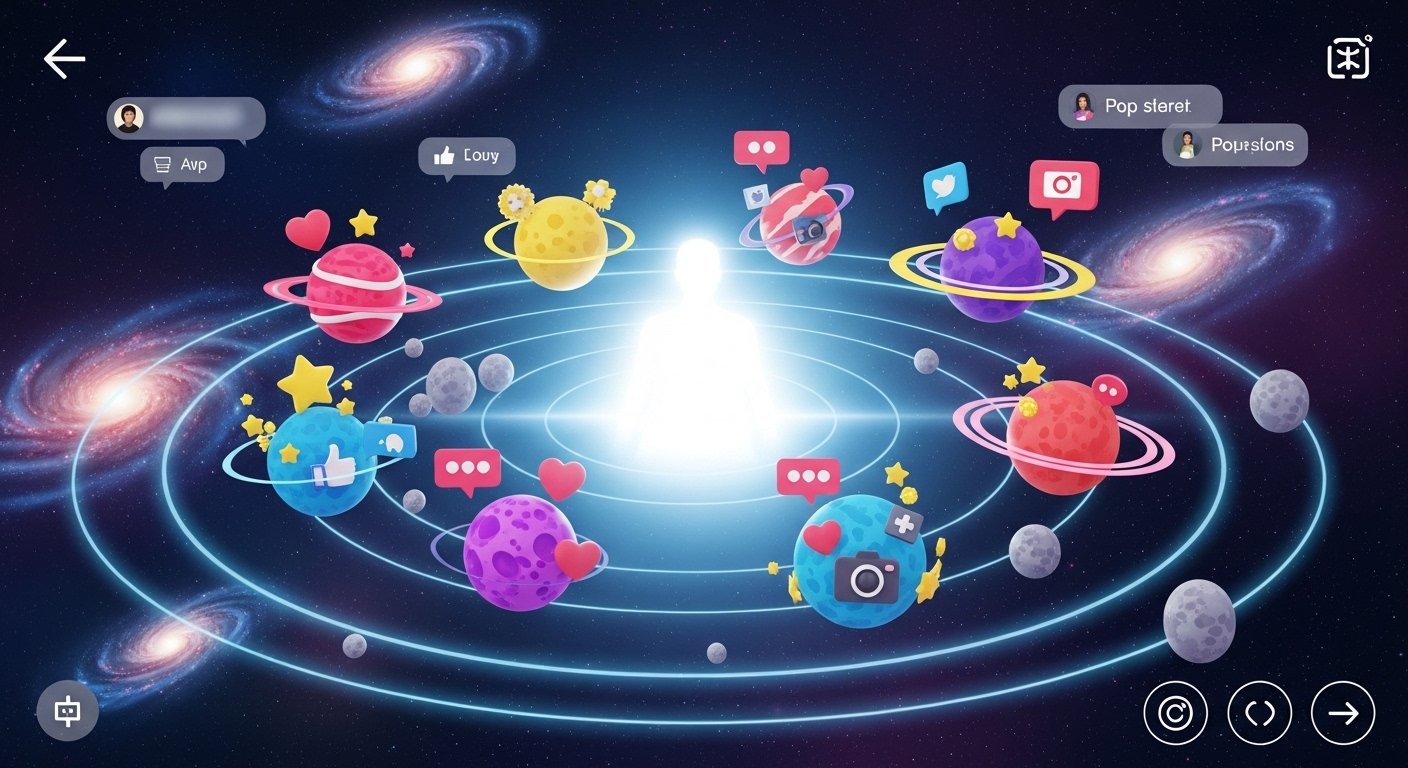
Have you ever opened Snapchat and seen a small badge on a friend’s profile that looks like a planet? Many people feel curious when they spot these colorful space pictures next to names. These are called Snap Planets. They turn your closest friends into a fun mini solar system. This feature makes chatting and snapping feel like a playful space adventure.
Snap Planets help you see how strong your friendships are on the app without using plain lists. You become the bright sun in the middle, and your top friends appear as planets that orbit around you. The closer a planet stays to the sun, the more you talk and share snaps with that friend. This idea feels exciting because it mixes real space knowledge with everyday fun on your phone. Many users enjoy checking their Snap Planets because it adds a new way to think about who they connect with most.
What Are Snap Planets and How Do They Work?
Snap Planets come from a special part of Snapchat called the Friend Solar System. This tool is available only for people who have Snapchat Plus. In this system, you always appear as the sun. Your eight closest friends turn into the eight planets that circle the sun.
The ranking depends on how often you send snaps, reply to chats, and interact together. Snapchat counts these actions quietly in the background. After that, it places each friend on the right planet. For example, if you and a friend send many snaps every day and keep long streaks, that friend moves closer to your sun. This means the planet shows real friendship activity in a simple picture.
The feature feels natural because it works just like our real solar system. In space, planets closer to the sun get more heat and light. On Snapchat, friends on closer planets share more daily moments. Over time, the positions can gently change if your chatting habits shift. One week you might see a friend on Mercury, and later they move if someone else starts snapping with you more. That’s why Snap Planets stay fresh and interesting.
Why Snap Planets Make Friendships More Fun
People love Snap Planets because they turn ordinary friend lists into something colorful and easy to remember. Instead of numbers, you see bright planets with hearts or stars around them. This visual style helps even young users understand closeness without reading long text.
Another thing is that Snap Planets encourage positive habits. When you notice a good friend moving farther away, you might send an extra snap to brighten their day. Many friends use it as a gentle reminder to stay in touch. For instance, if your school buddy appears on Earth, you know you still talk often but could share more stories to move them closer.
In addition, the feature feels private. Only you see your full solar system when you check your own friends. When you look at someone else’s profile, you only see where you stand in their system. This balance keeps things light and respectful. That’s why so many people enjoy discovering their Snap Planets without any pressure.
The Order of Snap Planets from Closest to Farthest
Snap Planets follow the same order as the real planets in our solar system. Here is a clear list that shows what each one means:
Mercury stands for your number one best friend. This friend gets the most snaps and chats from you. The picture usually shows a small red planet with several red hearts around it. It feels warm and close, just like a very special connection.
Next comes Venus as your second closest friend. This planet often looks yellowish or light brown with colorful hearts. You still share lots of daily moments, but slightly fewer than with Mercury.
Earth represents your third best friend. Many people recognize this one easily because it shows the familiar blue and green colors with a small moon nearby. It reminds us of home and steady, reliable friendships.
Mars comes fourth. This red planet appears with stars and purple or blue hearts. You send snaps regularly with this friend, but the conversations might focus more on quick shares.
Jupiter takes the fifth spot. It looks big with orange and brown stripes. This friend still feels important, and you enjoy longer talks from time to time.
Saturn sits in sixth place and shows beautiful rings around it. The connection stays good, yet daily snaps might happen less often.
Uranus is seventh and often appears in a soft green or blue tone. You still count this person among your closer circle, but other friends might take more of your time.
Finally, Neptune marks the eighth position. This distant blue planet means you still interact, but this friend ranks as your eighth closest. The distance in the picture shows that many other people share more snaps with you right now.
Each Snap Planet has its own look with little details like hearts or sparkles. These small touches make the whole solar system feel lively and personal.
Fun Facts About Snap Planets
One fun fact is that Snap Planets change over time. If you start sending more snaps to a friend, their planet slowly moves inward toward your sun. This gentle movement feels rewarding because it shows your efforts to stay close.
Another interesting thing is how the pictures use real space colors. Mercury looks hot and red like the actual planet. Earth keeps its blue oceans and green lands so everyone can spot it quickly. These choices help users learn a bit about real astronomy while having fun on the app.
In addition, Snap Planets only show your top eight friends. Anyone beyond that does not appear in your solar system. This limit keeps the view simple and focused on the people who matter most right now.
Many users notice that keeping a long snap streak helps a friend stay on a closer planet. For example, if you and your cousin send one snap every day for weeks, their position feels more secure. Small daily actions really add up in this system.
How to View Your Snap Planets
Checking your Snap Planets is easy and takes just a few steps. First, make sure you have Snapchat Plus turned on and the solar system feature active. After that, open a friend’s profile. Look for the Best Friends badge that has a gold ring. Tap it gently, and you will see which planet you are in their system.
When you want to see your own full solar system, you can explore the friendship section in your profile. There, all your top friends appear as orbiting planets around your Bitmoji sun. The view feels like looking at a tiny galaxy made just for you.
Remember that positions update automatically based on recent activity. Snapchat checks snaps and chats quietly, so you do not need to do anything extra. This smooth process means your Snap Planets always reflect current friendships without extra work.
Tips to Keep Your Snap Planets Strong and Balanced
If you want to maintain good positions for your favorite friends, try these simple ideas. Send a mix of photos, videos, and short chats instead of only one type of message. Variety keeps interactions fresh and helps planets stay closer.
Another helpful tip is to reply quickly when friends send you something. Fast responses show you care, and over time they strengthen the connection. For example, if a friend shares a funny story, reply with your own joke or a heart reaction.
It also helps to spread your snaps across the day rather than sending everything at once. Steady daily contact feels more natural than big bursts of activity. That’s why many people keep their Snap Planets stable by making small, regular check-ins part of their routine.
Avoid worrying too much if a planet moves outward. Friendships naturally change with school, work, or new hobbies. Use the movement as a friendly nudge to reach out instead of feeling upset. This positive attitude keeps the whole experience light and enjoyable.
Common Questions People Ask About Snap Planets
Here are some natural questions many users have, along with clear answers.
What exactly does Mercury mean on Snap Planets?
Mercury means you are that person’s number one best friend. You share the highest number of snaps and chats with them right no
Can I see Snap Planets without paying for Snapchat Plus?
No, the full Friend Solar System with planets is only available to Snapchat Plus subscribers. Without it, you will not see the space pictures or rankings.
Do Snap Planets show my position to other people?
Your full solar system stays private for you only. When others check your profile, they see only where they stand in your system, not the whole picture.
Why did my friend move from Venus to Earth?
This happens when someone else starts interacting with you more often. The ranking updates based on recent snaps and chats, so positions can shift naturally.
How many planets appear in the Snap Planets system?
There are exactly eight planets, from Mercury to Neptune. They represent your eight closest friends based on activity levels.
Will Snap Planets ever include more than eight friends?
Currently, the system stops at eight. This keeps the view clean and focused on your most active connections.
Can Snap Planets help me improve my friendships?
Yes, many people use it as a fun reminder to stay in touch. Seeing a friend on a farther planet often encourages an extra snap or kind message.
Conclusion
Snap Planets offer a creative way to look at your friendships on Snapchat. They turn simple interactions into a beautiful mini solar system where you shine as the sun and your friends become colorful planets. From Mercury as your closest buddy to Neptune as your eighth, each position tells a gentle story about how often you connect.
Throughout this article, we explored what Snap Planets are, how they work, their exact order, and many fun facts. We also looked at easy tips to keep your connections strong and answered common questions. This feature adds joy and a touch of space wonder to everyday chatting.
In the end, remember that Snap Planets are just a playful tool. Real friendships grow through kind words, shared laughs, and time spent together both online and in real life. Use the planets as a happy reminder to nurture the people who matter to you. Next time you open Snapchat, take a moment to enjoy your own little galaxy of friends. Who knows? A single thoughtful snap might move someone closer to your sun and brighten both your days.
Disclaimer:
This article provides general information about Snapchat’s Friend Solar System feature based on publicly available details as of 2026. Features may change over time. The content is for educational and entertainment purposes only and does not represent official Snapchat advice. Always check the latest app updates or help center for current information. No promotion of any subscription or service is intended.
Explore More
- The Online Game Event PBLGamevent – Biggest Esports Competition of the Year
- Stock Trading App UK | Compare Fees, Features & Brokers
- Score Stream App: Live Sports Scores & Streaming
About the Author


John Giddings is an expert in app reviews and guides, helping parents and families understand and use digital tools easily. He writes clear, step-by-step articles on apps like ParentPay, showing how to make payments, stay organized, and get the most out of technology. John’s goal is to make complicated apps simple and safe for everyone to use.